

WeChat QR code

Tel:
15169626819
WeChat QR code
Tel:
15169626819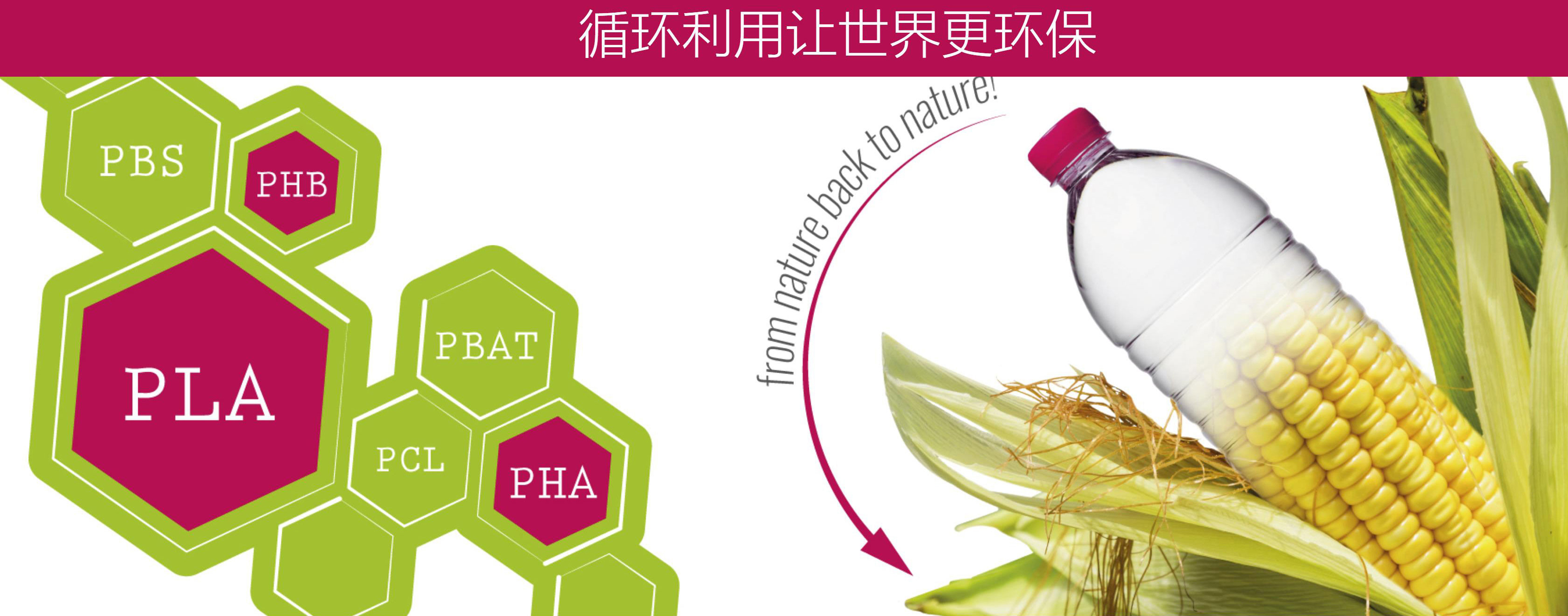
Tel
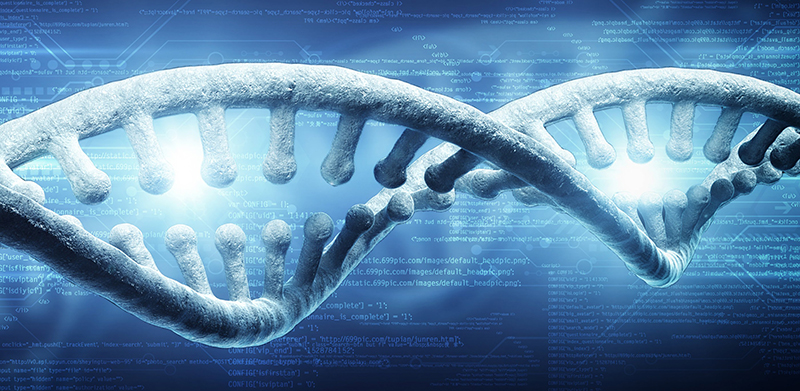
Synthetic biology is a branch of biological science that emerged in the 21st century, and research on synthetic biomaterials has advanced rapidly in recent years. Unlike traditional biology, which studies the internal structures of living organisms by dissecting them, synthetic biology takes a fundamentally opposite research approach: it builds biological components step by step starting from the most basic elements. It also differs from genetic engineering, which preserves, modifies and transfers genes from one species to another. Instead, synthetic biology aims to construct artificial biological systems that function like electrical circuits. Synthetic biology is regarded as the third revolution in biotechnology, following the discovery of the DNA double helix structure and the development of genomics.
Succinic acid is mainly used downstream for the synthesis of PBS and BDO. Against the backdrop of the “Dual Carbon” goals, degradable plastics are shifting toward bio-based degradable plastics, which unlocks incremental market potential for bio-based PBS. BDO already boasts a huge existing market, yet its current production routes are inconsistent with the “Dual Carbon” philosophy. Driven by downstream demand for PBS and BDO synthesis, succinic acid — particularly succinic acid produced via synthetic biology — has enormous potential market demand. On the supply side of succinic acid, approvals for new production capacity using conventional chemical processes are restricted. Synthetic biology routes have demonstrated cost advantages and represent the future development trend. Going forward, synthetic biology-based production will satisfy the massive downstream demand for succinic acid.
服务热线